
 Türkçe
 Français
 Deutsch
Gum aesthetics are aesthetic dentistry procedures that improve the health and appearance of the pink tissues surrounding the teeth, as an integral part of smile design. Also known as “pink aesthetics,” this field works on the color, level, and symmetry of the gums to create ideal aesthetics. Issues such as excess gum display (gummy smile), gum recession, or discoloration are resolved with modern methods like gingivoplasty, perfecting the harmony between teeth and gums. The goal is not only to achieve health but also a natural and attractive smile that is in complete harmony with the facial features.
Dr. Dt. Ömer Atar
He completed his primary, secondary, and high school education in Trabzon and graduated from Marmara University Faculty of Dentistry in 2000, where he began his studies in 1994.
Immediately after graduation, he worked in the field of Prosthetic Dentistry at Marmara University, focusing on Metal-Free Aesthetic Systems and Cosmetic Dentistry.
He received his PhD and specialization degree in 2007 for his studies on the application of implants, the construction and control of implant-supported prostheses in patients treated with distraction osteogenesis.
Dr. Ömer ATAR, who closely follows professional innovations, has participated in many seminars and courses both domestically and abroad, and is a member of EDAD (Aesthetic Dentistry Academy Association).
What Is Gum Aesthetics?
Gum aesthetics are a set of artistic and scientific procedures aimed at bringing the pink tissues of your smile to their ideal form to create aesthetic integrity. This approach targets not only healthy gums but also gums that meet certain aesthetic standards. Because no matter how perfect the teeth may be, if the surrounding gums are disproportionate or unhealthy, the overall perception of the smile is negatively affected. In an ideal smile, there must be a flawless balance between the pink and white tissues.
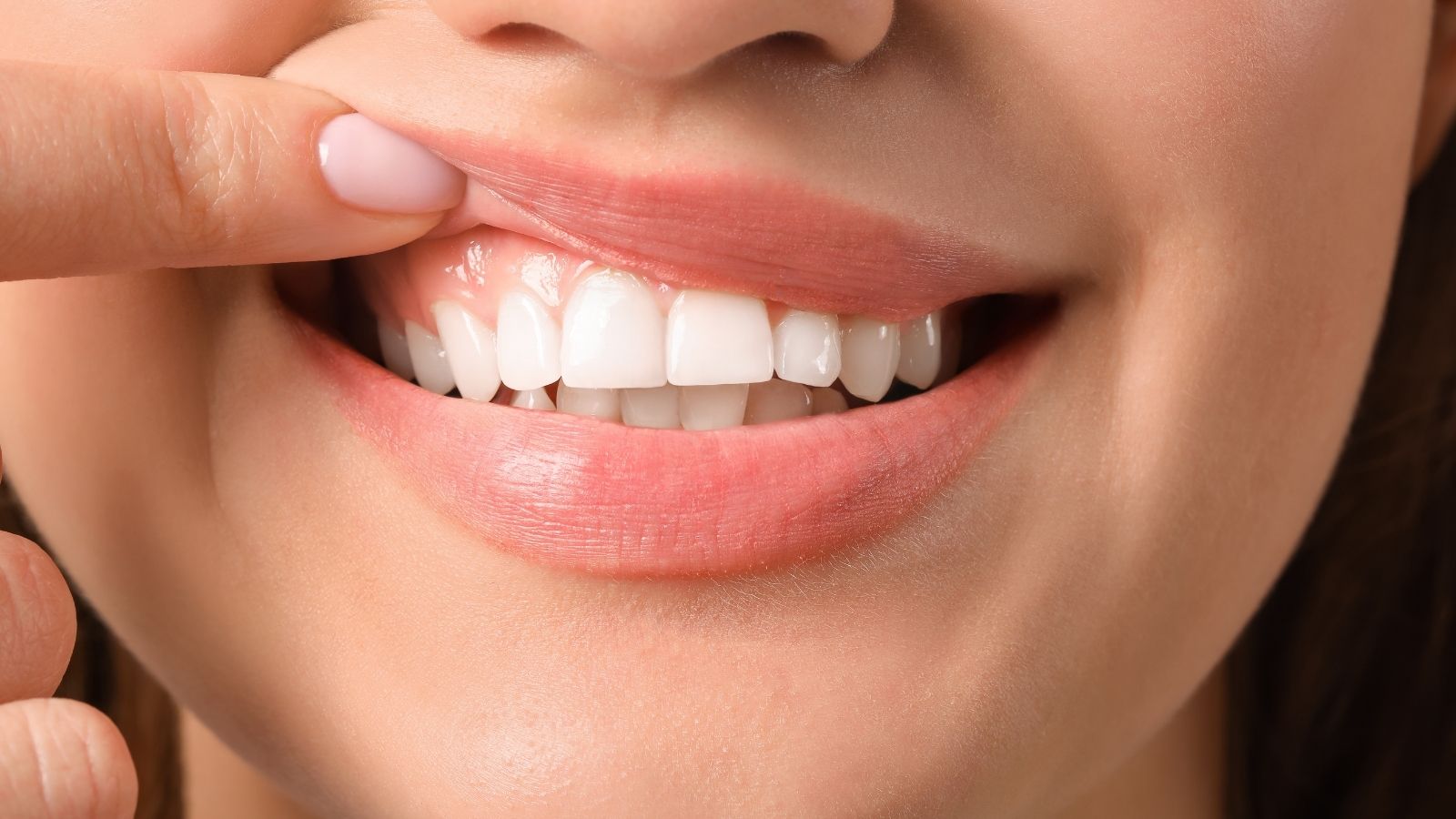
So, what are the ideal features a healthy and aesthetic gum should have?
- A light pink, vibrant color
- A slightly stippled surface resembling an orange peel
- A firm, resilient tissue that adheres tightly to the tooth
- No bleeding under any circumstance, including brushing
- Gracefully embracing the cervical area of the tooth in a half-moon shape
- Symmetrical zenith points of the gums
- A harmonious appearance with the teeth and lips during smiling
Gum aesthetics exist to correct any condition that deviates from this ideal. Many problems such as excessive gum display, gums receding and making teeth look long and aged, dark discolorations of the gums, or asymmetries in gum levels can be resolved with pink aesthetic procedures. The main aim is to bring white aesthetics into perfect harmony with pink aesthetics while designing the most suitable, natural, and healthy smile for your face.
How Is the “Gummy Smile” Problem Corrected?
“Gummy smile” is the term given when the upper gums are significantly more visible than normal when you smile. In an aesthetically ideal smile, the entire upper teeth and only 1–2 millimeters of the gums are expected to be visible. Disruption of this ratio makes the teeth appear shorter than they are and may affect the naturalness of your smile. There is not a single underlying cause of this condition; therefore, the treatment is planned personally according to the underlying reason.
Common causes of a “gummy smile” include:
- Genetically excessive gum tissue covering the teeth
- Teeth that have not fully erupted developmentally and remain short
- Vertical overgrowth of the maxillary bone
- An upper lip that is shorter than normal
- Hyperactivity of the muscles that elevate the upper lip
There are different and effective treatment methods developed for these causes. One of the most commonly applied methods is gingivectomy. If the problem is solely the excessive gum tissue over the teeth, excellent results are achieved with this method. Under local anesthesia, the excess gum tissue is excised with special instruments or, more commonly today, with a laser. Then, through gingivoplasty, the remaining gums are given a natural and aesthetic form. The use of lasers offers great comfort for both the clinician and the patient, as it virtually eliminates bleeding and accelerates healing. With this procedure, the length of the teeth increases instantly and the disturbing display of gums in your smile disappears.
In some cases, the problem is not only in the gum but also in the underlying bone level—meaning the bone is positioned more coronally than it should be. In such a situation, simply cutting the gum does not provide a permanent solution because biological boundaries are violated. This is where the crown lengthening operation comes into play. In this procedure, along with the excess gum tissue, the underlying bone is also recontoured to some extent. This ensures a more permanent aesthetic result and establishes healthy tissue architecture around the tooth.
If the cause of a gummy smile is hyperactive elevator muscles of the upper lip—meaning the muscles pull the lip too far upwards when you smile—the solution does not have to be surgical. In this case, botulinum toxin (Botox) injections are a simple and effective alternative. Small injections at certain points of the upper lip temporarily reduce muscle strength and prevent excessive elevation of the lip. Thus, the gums become less visible in your smile. The effect of Botox is not permanent and generally needs to be repeated every 4–6 months, but it is an excellent option for those who prefer to avoid surgery.
Contact us for detailed information and appointments about treatments!
How Is Gum Recession Treated Aesthetically?
Gum recession is the apical migration/wear of the gums away from the root surface over time. This is not only an aesthetic issue but also a serious health problem. Some common problems that arise with gum recession include:
- Teeth appearing much longer than they are
- Formation of spaces known as “black triangles” between teeth
- Color mismatch due to the yellow hue of exposed root surfaces
- Increased sensitivity to hot and cold
- Higher risk of root caries
- Tooth mobility and loss in advanced cases
The aim in treating gum recession is to replace the lost tissue to resolve these functional issues and restore the aesthetic appearance. Surgical methods known as “gum grafting” are used for this purpose. In these operations, the patient’s own palate is usually used as a tissue source.
One of the most frequently applied methods with the highest aesthetic success is the connective tissue graft. In this technique, a nourishing, thick connective tissue is harvested from the inner aspect of the palate (subepithelial layer). This tissue is placed into a prepared recipient bed at the site of the recession and completely covered by the existing gum. The greatest advantage of this method is the excellent vascularization of the transplanted tissue and the extremely natural, color-matched result once healing is complete. It is considered the “gold standard,” especially in anterior regions where aesthetic expectations are high.
Another method is the free gingival graft. In this technique, a superficial layer of tissue is taken from the palate and directly sutured onto the recession site. This method is particularly effective in thickening the gum to halt further recession. However, since a slight color difference may remain after healing, it may not be the first choice in the highly aesthetic anterior zone.
In some suitable cases, it is also possible to cover the defect by repositioning adjacent healthy gum tissue to the recession site. These are known as flap advancement/repositioning procedures. The main advantage of this method is that it does not require harvesting tissue from the palate, thus avoiding a second surgical site.
All these treatments not only give your smile an aesthetic appearance but also represent an important health investment that prolongs the lifespan of your teeth. After treatment, controlling habits such as aggressive brushing or clenching—which cause recession—is crucial for the longevity of the results.
Can Gum Discolorations Be Eliminated?
Yes, absolutely. The color of healthy gums is light pink. However, in some individuals—especially due to genetic factors—brown, purple, or almost black spots can be seen in the gums due to melanin pigmentation. This condition is called “physiological pigmentation.” Although it is not a medical problem, it can negatively affect smile aesthetics and cause individuals to feel self-conscious about smiling.
Some common causes of gum discoloration include:
- Genetic melanin accumulation (the most common cause)
- Tobacco use (smoker’s melanosis)
- Penetration of particles from old amalgam fillings into the tissue (amalgam tattoo)
- Long-term use of certain medications
The most modern, fast, and effective method used to solve this aesthetic problem is laser gum depigmentation. This procedure is also popularly known as “gum peeling” or “gum whitening.” It is completely painless because it is performed under local anesthesia. Using a specialized laser device, the very top millimetric layer of the gum where melanin pigments are concentrated is gently ablated. Laser energy specifically targets and vaporizes the dark pigments, revealing the healthy pink tissue underneath.
Laser depigmentation offers many advantages for patients:
- Usually completed in a single session
- No bleeding during the procedure
- No sutures required
- Very fast healing (a few days)
- High postoperative comfort
- Long-lasting results
Immediately after the procedure, your gums appear fresh, vibrant, and healthy pink. This simple touch allows you to notice the change in your smile instantly and gives you the freedom to smile with confidence. Results are generally permanent, but in individuals with strong genetic predisposition, slight repigmentation may recur years later and can be easily refreshed with a simple touch-up session.
Contact us for detailed information and appointments about treatments!
How Are Asymmetric Gum Levels Corrected?
One of the fundamental elements that makes a smile aesthetic and attractive is symmetry. The gum levels of adjacent teeth—especially those in the anterior region—should be aligned with each other. However, sometimes the gum level of one tooth may be more coronal or apical than its neighbor. This makes the teeth appear as if they are of different sizes and disrupts the overall harmony of the smile. Correcting this asymmetry is possible with pink aesthetic procedures.
There are two main scenarios and solutions:
One tooth’s gum is positioned more coronally than the other: In this case, that tooth looks shorter and squarer than its neighbor. The solution is to remove the excess gum tissue.
One tooth’s gum is positioned more apically than the other: In this case, there is gum recession in that tooth and it appears longer than its neighbor. The solution is to replace the missing tissue.
In the first scenario—where the gum covers too much of the tooth—gingivoplasty or laser gum contouring is performed. Under local anesthesia, the excess gum tissue on the tooth with the lower margin is precisely removed to align with the neighboring tooth. The use of lasers offers a great advantage in such fine symmetry adjustments, as it allows millimetric precision and is a bloodless procedure. At the end, the gum levels of both teeth achieve perfect symmetry.
In the second scenario—where asymmetry occurs due to gum recession—the treatment is gum grafting. A connective tissue graft usually harvested from the palate is transplanted to the affected tooth to bring the gum margin coronally, matching the level of the neighboring tooth. This procedure not only equalizes gum levels to provide aesthetic symmetry but also covers the exposed root surface, protecting the tooth against sensitivity and decay.
These small yet effective touches restore balance to your smile, resulting in a much more aesthetic and harmonious appearance.
How Does the Treatment Process Work, and Is Gum Aesthetics Painful?
Because the word “surgery” is involved, gum aesthetic procedures can worry many people. However, the truth is that thanks to today’s technology and anesthesia methods, the process is much easier and more comfortable than expected. The treatment itself is absolutely painless, as all procedures are performed under local anesthesia, meaning only the relevant area is numbed.
The treatment process generally consists of several steps. The first step is examination and planning. At this stage, your dentist thoroughly examines the health of your teeth and gums and listens to your aesthetic expectations. X-rays and photographs are taken to understand the source of the problem. The most suitable treatment option for your facial structure, lips, and smile is determined. With technologies such as digital smile design, you may even have the chance to preview your final appearance.
The second step is preparation. Before the surgical procedure, a professional dental cleaning is performed to ensure the environment is as hygienic as possible. If you have active gum inflammation, this is treated first, because aesthetic procedures can only be built on a healthy foundation.
The third step is the operation itself. On the day of the procedure, after the area is numbed, your dentist performs the planned treatment. You will not feel pain during the procedure—only mild sensations such as touch, pressure, or water sounds. Depending on the type of procedure, the duration may vary from 30 minutes to a couple of hours.
The final step is the healing phase. Healing varies according to the extent of the procedure performed. Recovery is very fast after small laser contouring procedures and usually involves no significant discomfort. However, after more extensive operations such as grafting, mild swelling and oozing may occur during the first few days. This can be easily controlled with the painkillers your dentist recommends. During this period, there are a few important points to consider:
Points to consider during the healing period.
- Avoid hot food and drinks for the first 24 hours
- Eat soft and lukewarm foods for a few days
- Use antiseptic mouthwashes as recommended by your dentist
- Do not brush the operation area for the first few days; be very gentle afterwards
- Avoid smoking and alcohol
- Avoid physically strenuous activities
Initial healing is usually completed within 1–2 weeks, but the tissues may take several months to mature and achieve their final aesthetic form.
Are the Results of Gum Aesthetics Permanent?
How long the results of gum aesthetics will last depends on both the type of procedure performed and how carefully the patient follows post-treatment care.
- In procedures where the gum is incised and shaped, such as gingivectomy and gingivoplasty, the removed tissue does not grow back. Therefore, the results are largely permanent. However, if the gum overgrowth is due to inflammation caused by poor hygiene, the problem may recur if oral care continues to be neglected.
- In gum recession treated with grafts, the results are quite long-lasting. The transplanted tissue remains in place after a successful operation. The most critical point here is eliminating the initial cause of the recession. For example, if aggressive brushing continues or no measures are taken for bruxism, new recession may eventually occur in the grafted area as well.
- The results of laser depigmentation for discolorations are generally permanent. In most individuals, pigmentation does not recur. However, in those with a very strong genetic predisposition, melanocytes may reactivate over the years and mild discoloration may begin. Even in such cases, a brief touch-up session can easily restore the result.
- Botox treatment for gummy smile is the exception in this group; its results are temporary. Since the effect of Botox lasts an average of 4–6 months, regular repeat sessions are required if continued effect is desired.
The most important factors affecting the longevity of results are:
- Excellent oral hygiene habits
- Proper brushing technique
- Not smoking
- Regular dental check-ups
- Controlling parafunctional habits such as teeth grinding
In summary, when gum aesthetics are properly planned and the patient fulfills their responsibilities, they offer permanent and satisfying results that you can enjoy for a lifetime.
Am I a Suitable Candidate for These Gum Aesthetic Treatments?
If you have a concern about the pink aesthetics of your smile, it is natural to wonder whether you can benefit from these modern treatments. Whether you are a suitable candidate for gum aesthetics depends on a few basic criteria.
Characteristics of an ideal candidate.
- Good general health
- No active gum disease (gingivitis, periodontitis)
- A clearly treatable aesthetic issue (gummy smile, recession, etc.)
- Good oral hygiene habits and willingness to maintain them
- Not smoking, or being determined to quit during the treatment period
- Having realistic expectations from the treatment
However, some conditions may prevent a person from being a suitable candidate for these treatments or may require postponement.
Conditions that may hinder or require postponing treatment.
- Uncontrolled systemic diseases (especially diabetes)
- Use of anticoagulant medication (adjustments may be required under physician supervision)
- Active, untreated advanced periodontal disease
- Heavy smoking (significantly impairs healing)
- Poor oral hygiene
- Pregnancy