
 Türkçe
 Français
 Deutsch
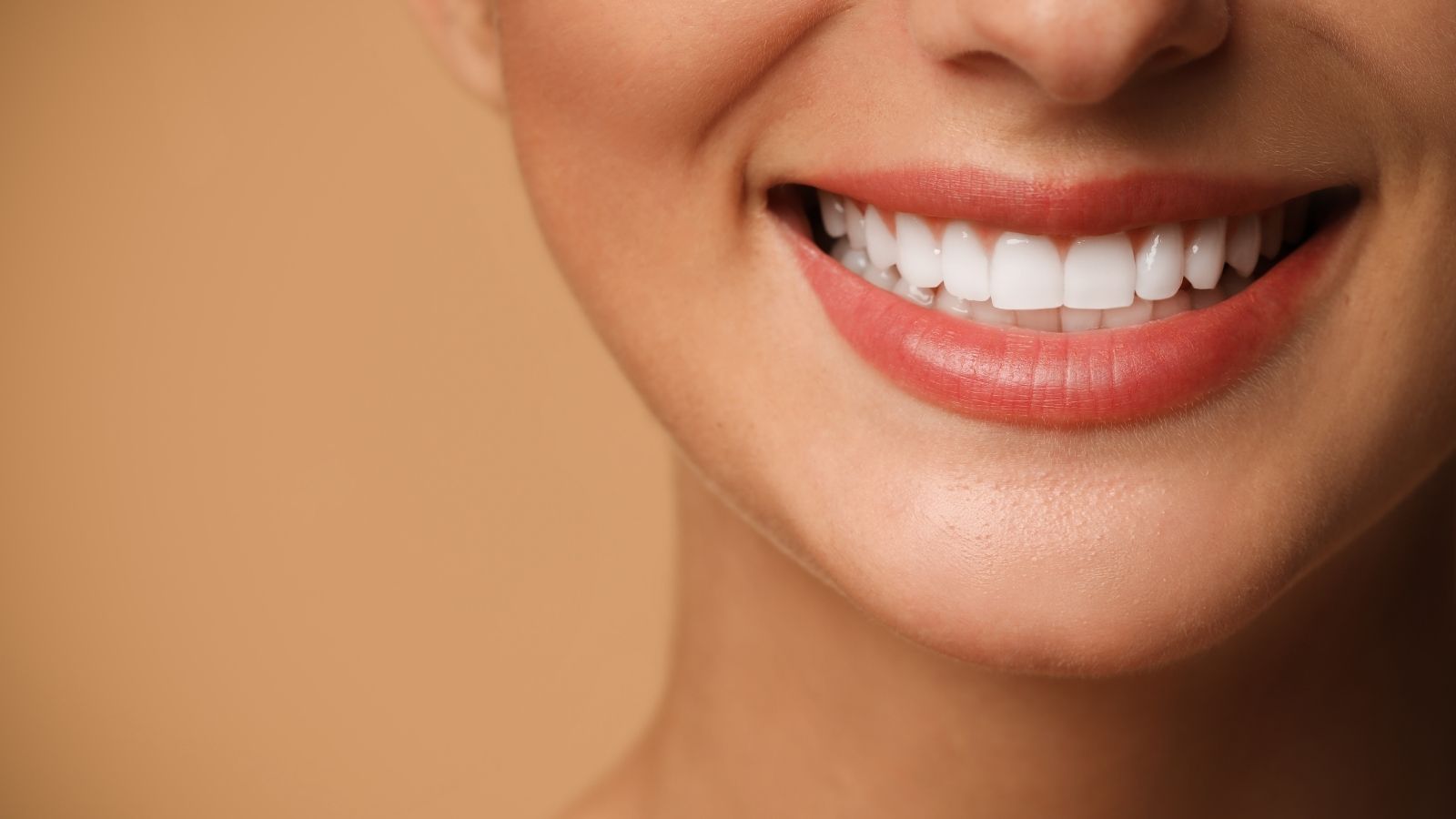
Smile design is a highly personalized art of aesthetic dentistry in which factors such as the color, shape, size, and alignment of the teeth are harmonized with the person’s facial features, lip structure, and skin tone. Often referred to as a Hollywood Smile, this process is not a one-size-fits-all procedure but a holistic approach that blends aesthetics and function. The goal is to achieve a smile that is not only striking but also healthy, natural, and reflective of the individual’s character. This application can be defined as an artistic transformation process that directly impacts one’s social life and self-confidence.
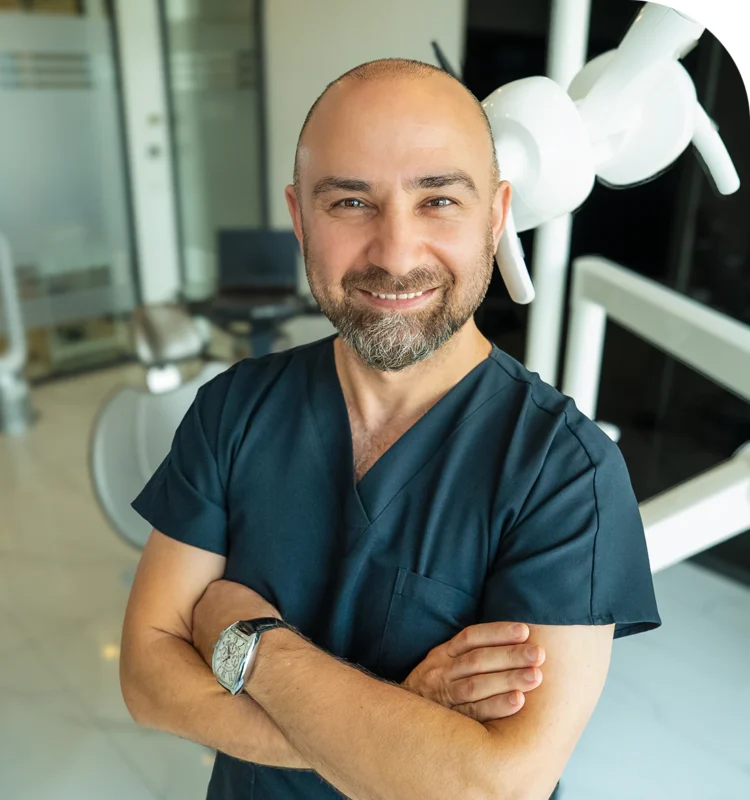
Dr. Dt. Ömer Atar
He completed his primary, secondary, and high school education in Trabzon and graduated from Marmara University Faculty of Dentistry in 2000, where he began his studies in 1994.
Immediately after graduation, he worked in the field of Prosthetic Dentistry at Marmara University, focusing on Metal-Free Aesthetic Systems and Cosmetic Dentistry.
He received his PhD and specialization degree in 2007 for his studies on the application of implants, the construction and control of implant-supported prostheses in patients treated with distraction osteogenesis.
Dr. Ömer ATAR, who closely follows professional innovations, has participated in many seminars and courses both domestically and abroad, and is a member of EDAD (Aesthetic Dentistry Academy Association).
Which aesthetic concerns can be solved with smile design?
Smile design offers a holistic solution to almost all aesthetic concerns that make you unhappy with your smile. Rather than focusing on a single problem, it is a comprehensive plan that considers the smile as a whole and aims to harmonize all its components. In this process, beyond the shape, color, size, and alignment of the teeth, the health of the gums and their relationship with the lips are also carefully evaluated.
The main aesthetic problems that smile design focuses on and addresses are:
- Discolored or yellowed teeth
- Mild to moderate crowding
- Unwanted gaps between teeth (diastema)
- Chipped and cracked teeth due to trauma or wear
- Congenital shape anomalies
- Teeth that are too short or too long relative to facial structure
- Excessive gingival display when smiling (gummy smile)
- Asymmetries in gum levels
- Esthetic and functional gaps caused by missing teeth
- Old fillings or crowns that have lost their esthetic quality
Each of these issues can disrupt the overall harmony of the smile. Smile design addresses these elements one by one and, within a personalized treatment plan, orchestrates them like a conductor to create esthetic integrity and harmony.
What criteria does smile design consider for an ideal smile?
Although esthetic perception varies from person to person, there are universally accepted principles of harmony and balance. Smile design combines these scientific and artistic principles with the patient’s unique facial anatomy to create the “ideal smile tailored to the individual.” The process is carried out with the meticulousness of a sculptor, evaluating many different criteria at once.
Key elements considered when shaping an ideal smile include:
- Overall harmony with facial features
- Proportion and symmetry among the teeth themselves
- Gum health and esthetics (pink esthetics)
- The relationship of the smile line with the lips
- A natural and lively tooth shade
First, a parallel is sought between the overall facial shape (oval, square, round, etc.) and the form of the teeth. For example, in someone with a more oval face, teeth with rounder contours are preferred over angular ones to achieve natural harmony. The internal proportions of the teeth are also evaluated using mathematical principles such as the “golden ratio.” Having the two central incisors more dominant than the others is one of the keys to a youthful and attractive smile.
White teeth alone are not sufficient for an esthetic smile. The health and esthetics of the gums, which frame the teeth like a picture frame, are at least as important as the teeth themselves. Healthy, pink gums with symmetrical levels are among the most crucial details that give meaning to the smile. Similarly, the “smile line” formed by the incisal edges of the upper teeth in relation to the curve of the lower lip directly affects esthetics. A harmonious curve adds dynamic, positive energy to the smile. Finally, when selecting tooth shade, the person’s skin tone, hair color, and even the whiteness of the sclera are taken into account to achieve a healthy, natural whiteness free of artificiality.
How does the smile design process progress step by step?
Smile design is a journey planned with care at every step and undertaken jointly by the patient and the clinician. This journey begins with understanding the patient’s expectations and continues until the desired smile is achieved.
- Step: Analysis and Planning Session
Everything starts with a detailed consultation. In this session, your expectations, what bothers you about your smile, and the results you want to achieve are discussed in full detail. Then professional photos and video recordings are taken to analyze your face and smile both statically and dynamically. These records allow us to evaluate the relationship between your teeth and lips in their most natural state as you speak or smile. Panoramic X-rays and, if necessary, 3D scans are used to check the health of the teeth and jawbone. Finally, intraoral digital scanners are used to create a three-dimensional model of your teeth.
- Step: Digital Design and “Test Drive” (Mock-up)
All collected data are transferred to dedicated smile design software. At this stage, your clinician designs—down to the millimeter—the most suitable smile for your face in the digital environment, aligned with esthetic criteria. This digital design serves as a preview that shows you how your smile will look when the treatment is completed. After your approval of the design, we move on to one of the most exciting steps: the “mock-up” session. In this session, your digitally prepared new smile is applied to your teeth using a temporary material without any intervention to the teeth. When you look in the mirror, you can see the final outcome live and even take photos to get feedback from loved ones. This “test drive” ensures you are confident about the result before starting treatment.
- Step: Performing the Treatments
Once it’s decided that everything is on track during the mock-up session, the treatment stages begin in strict adherence to the approved plan. At this stage, the planned procedures (gingival recontouring, tooth whitening, tooth preparation, etc.) are performed in a specific sequence and with meticulous care.
- Step: Porcelain Try-ins and Definitive Placement
Porcelain laminates or crowns, custom-made for you in the laboratory based on impressions of your teeth, are tried in your mouth before permanent cementation. In these final try-ins, all esthetic and functional details—such as shade, shape, and harmony with the gums and lips—are double-checked. After receiving your full approval, these esthetic restorations are permanently bonded to your teeth using specialized dental adhesives, and your smile journey concludes successfully.
Contact us for detailed information and appointments about treatments!
Which treatments are used in smile design planning?
Smile design is like bespoke tailoring; different “fabrics” and “stitching techniques” are used according to each individual’s needs. All modern applications in the esthetic field of dentistry are considered tools in this process and combined in the most appropriate way.
- Porcelain Laminate Veneers (No-prep/Minimal-prep Veneers)
One of the most popular applications of smile design. These are porcelain leaflets bonded only to the front surfaces of the teeth and as thin as a fingernail. They offer the most esthetic way to permanently correct imperfections in color, shape, and size with minimal tooth reduction (and sometimes none). Their natural light transmission and high resistance to staining make them indispensable.
- All-Ceramic Crowns (E-max and Zirconia)
If there is a fracture, decay, or loss of tooth structure too extensive to be restored with a veneer, then all-ceramic crowns that cover the tooth 360 degrees like a cap come into play. Because they are metal-free, they perfectly mimic the esthetics of natural teeth. E-max crowns, with their superior translucency, are especially preferred for anterior teeth, while zirconia crowns are reliably used in posterior teeth and bridge restorations due to their strength.
- Tooth Whitening (Bleaching)
Often used before starting smile design to bring the existing tooth shade to a brighter tone. Especially when the number of teeth to receive porcelain restorations is small, whitening helps bring the shade of the natural teeth closer to the planned restorations. It can be performed in the clinic or at home under professional supervision.
- Bonding (Adhesive Systems)
A practical and conservative method used to correct minor esthetic imperfections. Tooth-colored composite materials can be applied without any tooth reduction to close small gaps, repair chipped incisal edges, or slightly reshape teeth. It is usually a cost-effective solution that can be completed in a single session.
- Gum Esthetics (Pink Esthetics)
An esthetic smile is not only about teeth. The health and symmetry of the gums surrounding the teeth are just as important. Using laser technology, gum levels can be recontoured painlessly and without bleeding. Excessive gingival display (gummy smile) can be reduced, or asymmetric gum levels can be equalized to create a perfect frame for the smile.
- Orthodontic Treatment (Clear Aligners or Braces)
If crowding is too great to be camouflaged by esthetic restorations, orthodontic treatment may be the first step of smile design. Today’s nearly invisible clear aligners designed for adults (such as Invisalign) provide a comfortable way to move the teeth into ideal positions without impacting social life. After alignment, final esthetic touches—such as porcelain laminates—are applied.
- Implant Treatment
A missing tooth is one of the most significant factors disrupting smile integrity. Implants are the most modern and healthy solution for functionally and esthetically replacing missing teeth with porcelain crowns placed on titanium roots inserted into the jawbone. In smile design, gaps from missing teeth are completed with implants to achieve flawless integrity.
On average, how long does a smile design treatment take?
There is no one-size-fits-all answer, as the duration of smile design depends entirely on the nature and number of procedures to be performed. In a simple scenario—such as a plan including only whitening and bonding for a few teeth—the process can be completed in one or two sessions over a few days.
More comprehensive treatments that include porcelain laminates or crowns generally take about 7 to 14 days. During this time, two or three visits are usually sufficient for tooth preparation, impressions, fabrication of restorations in the laboratory, and final bonding. If your plan includes orthodontic treatment, the duration may extend from 6 months to 1.5 years depending on tooth movement. Esthetic procedures begin after orthodontics is completed. Similarly, when implants are required, there is a 3–6 month waiting period for osseointegration, after which the permanent tooth is delivered.
What should be done to preserve the results after smile design?
Your new, dazzling smile is a valuable investment that can stay with you for a lifetime. Getting long-term returns on this investment largely depends on how well you care for it. Porcelain laminates and zirconia crowns are extremely resistant to staining and discoloration and can be used trouble-free for 15–20 years or longer with proper care.
The secret to maintaining this beautiful smile for years is quite simple and is based on a few fundamental habits.
- Brush your teeth carefully at least twice a day
- Use dental floss or interdental brushes every day
- Avoid cracking hard foods like nuts or ice with your teeth
- Use a night guard if you have a clenching habit
- Limit the consumption of acidic beverages
- Visit your dentist for regular check-ups every six months
These simple steps will both extend the life of your restorations and protect your overall oral health, ensuring your new smile remains as bright and healthy as on day one.
Contact us for detailed information and appointments about treatments!
Is pain felt during smile design procedures?
One of the most common questions and concerns is whether the treatment process will be painful. Thanks to effective local anesthesia methods used in modern dentistry, procedures such as tooth preparation or gingival interventions are performed without any pain or discomfort. All procedures are carried out in complete comfort.
After procedures are completed and the anesthesia wears off—especially if tooth reduction has been performed—it is normal to experience mild sensitivity or soreness for a few days. This is a temporary condition that can usually be easily controlled with simple pain relievers. Particularly in minimally invasive procedures such as porcelain laminates, this sensitivity is either absent or very mild.
Who are suitable candidates for smile design?
Almost anyone who is dissatisfied with their smile and wants a more esthetic and healthy appearance is a potential candidate for smile design. However, the path to esthetics always begins with health. Therefore, having impeccable oral health is a fundamental requirement before embarking on the smile design journey.
There are basic health issues that must be resolved before starting treatment:
- Active dental caries
- Advanced gum disease (periodontitis)
- Untreated periapical (root tip) infections
Once such health issues are treated, esthetic planning can commence with confidence. Smile design can be applied to any individual who has completed bone development—generally those over 18. However, certain systemic conditions (such as uncontrolled diabetes) or habits may affect the treatment plan and the success of the outcome. Therefore, it is very important to provide your clinician with complete information about your general health at the first examination.
What factors affect the cost of smile design?
Smile design does not have a fixed price like a standard product, because every treatment plan is as unique as a fingerprint. The cost is determined entirely by your needs and expectations and the personalized roadmap created for you. Therefore, it is not possible to provide a precise figure without a detailed examination.
The main factors that directly affect the cost of smile design include:
- The overall scope of the treatment plan
- The number of porcelain laminates or crowns to be applied
- The type and quality of materials used (e.g., E-max, zirconia)
- Any additional treatments required (implants, orthodontics, gum esthetics, etc.)
- The clinician’s experience and the clinic’s technological infrastructure